
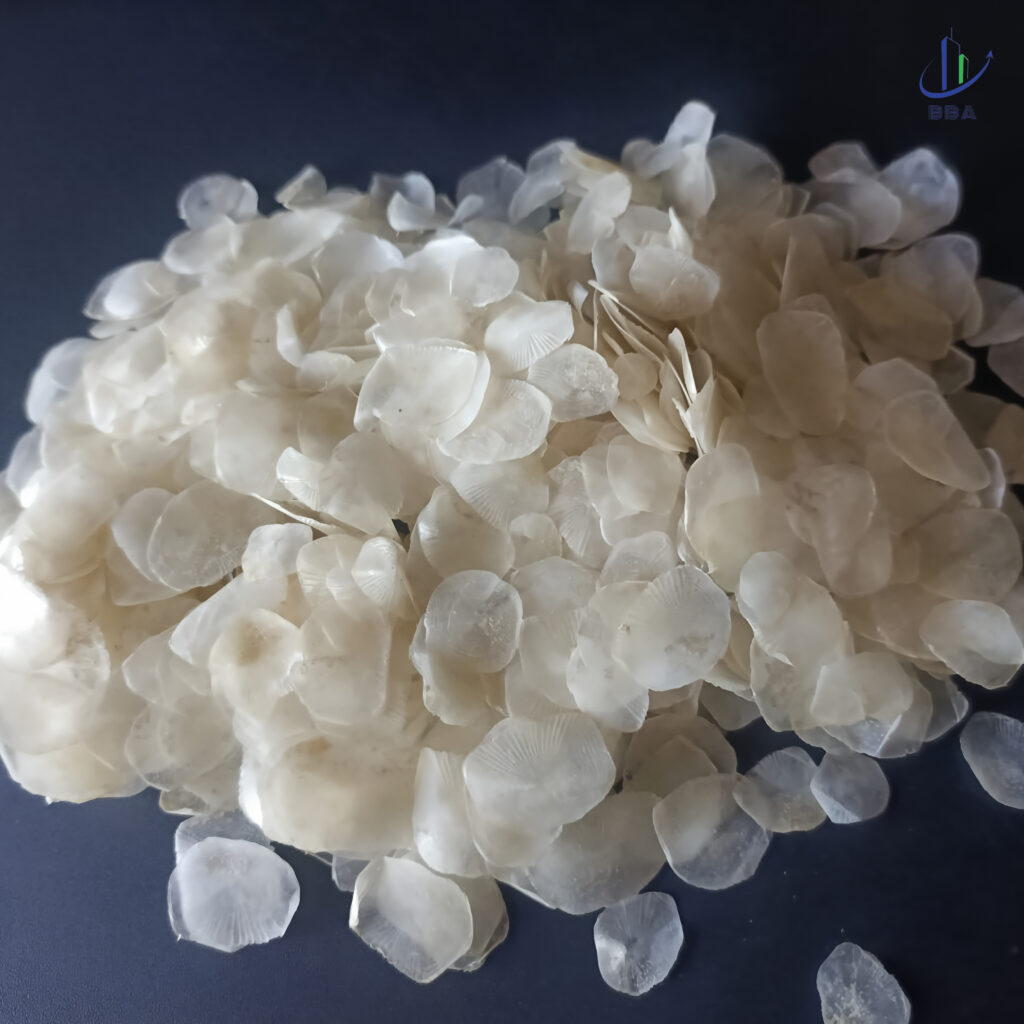
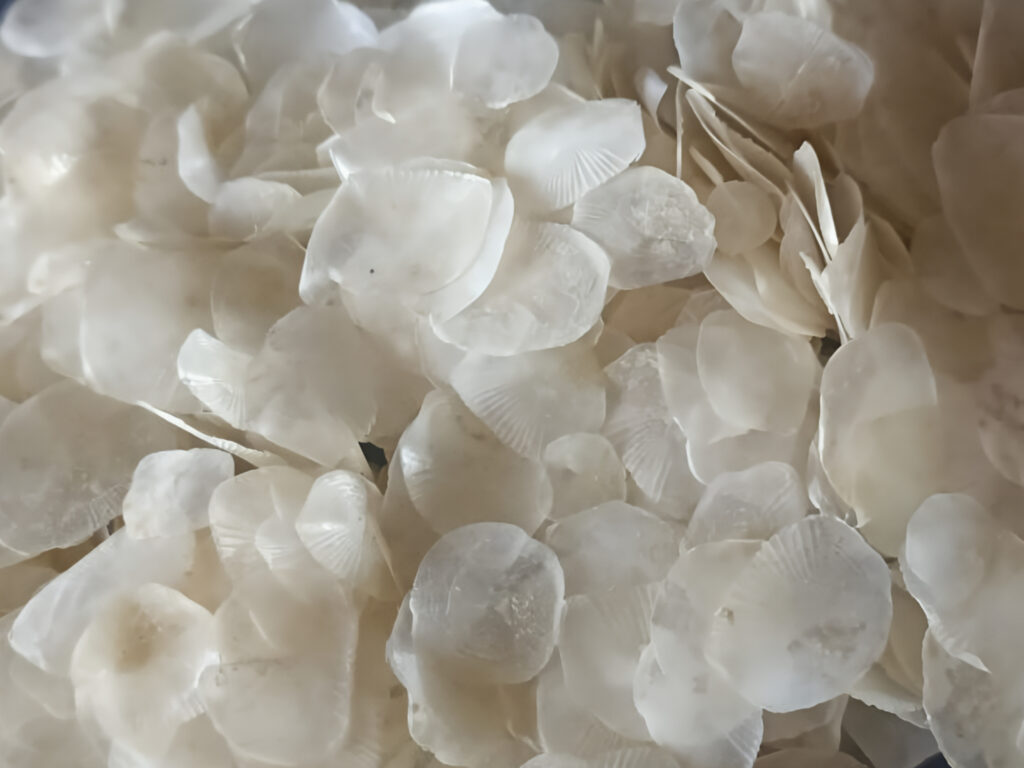
Tilapia fish scales are the natural protective covering found on the outer surface of tilapia fish. Although they account for approximately 3% of the fish’s total body weight, these scales have become increasingly valuable for industrial and research applications. Traditionally considered a by-product of fish processing, they are now collected and processed to support more sustainable use of aquatic resources.
Natural Composition of Tilapia Fish Scales
They are composed primarily of collagen fibers and mineralized components arranged in a layered structure. This unique composition has made them a subject of interest in various fields of research and industrial development. Because of these characteristics, processed fish scales may serve as raw materials for applications involving collagen extraction, biomaterials research, and other specialized manufacturing processes.
A Small Part of the Fish with Significant Potential
Despite representing only approximately 3% of a tilapia’s total body weight, fish scales can contribute additional value to the seafood supply chain when properly utilized. Instead of being discarded as waste, they can be collected, cleaned, dried, and prepared for industrial use, helping maximize resource efficiency and reduce unnecessary waste generation.
Industrial Applications of Tilapia Fish Scales
Depending on processing methods and regulatory requirements, tilapia fish scales may be used as raw materials in several sectors, including:
• Collagen extraction and downstream processing
• Biomaterial and tissue engineering research
• Cosmetic ingredient development
• Pharmaceutical and biomedical research
• Academic and scientific studies
• Sustainable product innovation
It is important to note that the scales themselves are raw materials and typically require further processing before being incorporated into finished products.
Supporting Sustainability and Circular Economy
The utilization of fish scales reflects the growing emphasis on circular economy principles within the seafood industry. By converting processing by-products into valuable materials, businesses can reduce waste and improve overall resource utilization. This approach supports environmental sustainability while creating additional economic opportunities throughout the supply chain.
Why Tilapia Fish Scales Matter in Indonesia
Indonesia is one of the world’s major aquaculture producers, including tilapia farming. As a result, the country has significant potential to supply responsibly processed tilapia fish scales for industrial purposes. With appropriate collection, cleaning, drying, and quality control procedures, Indonesian suppliers can provide consistent raw materials that meet the needs of domestic and international markets.
Quality Considerations
High-quality dried tilapia fish scales generally require:
• Careful cleaning to remove impurities.
• Proper drying to reduce moisture.
• Hygienic handling during processing and storage.
• Consistent grading and packaging for transportation.
Maintaining these standards helps preserve product quality and suitability for industrial applications.
Frequently Asked Questions
Are tilapia fish scales edible?
Fish scales are generally not consumed directly. Their commercial value is primarily as an industrial raw material that may undergo further processing depending on its intended application.
How much of a fish is made up of scales?
The exact percentage varies by species and individual fish. For tilapia, scales are often estimated to account for around 3% of the total body weight, although this can vary depending on size and biological characteristics.
Why are dried fish scales exported?
Dried fish scales can be transported and stored more efficiently than fresh materials and may be used by manufacturers or research institutions as raw materials for further processing.
Conclusion
Tilapia fish scales may represent only a small fraction of the fish’s total weight, but they hold meaningful industrial and sustainability value. Their natural composition, combined with increasing interest in responsible resource utilization, has transformed them from a processing by-product into a promising raw material for research and manufacturing.
As global industries continue exploring sustainable alternatives, properly processed tilapia fish scales are expected to remain an important component in the development of innovative materials and value-added products.